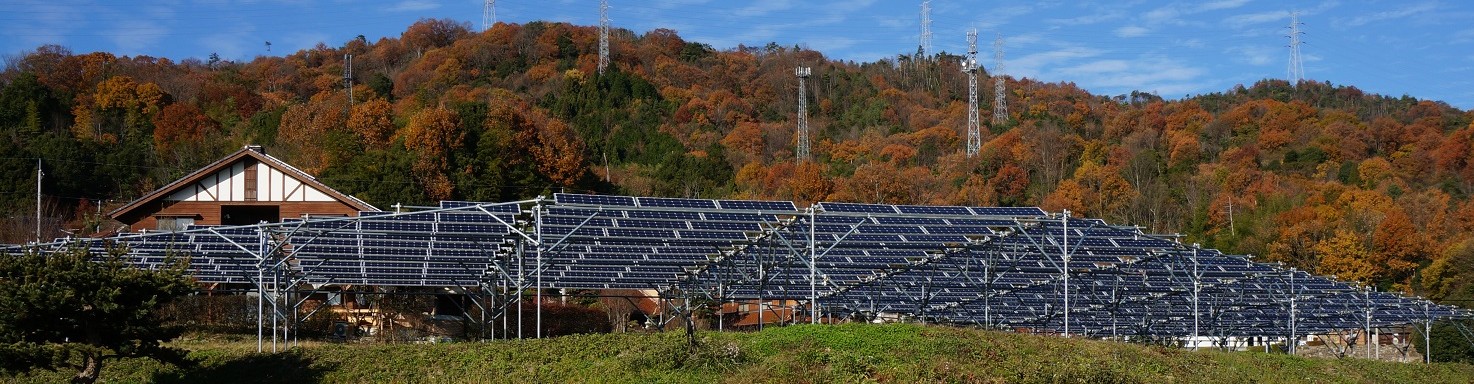
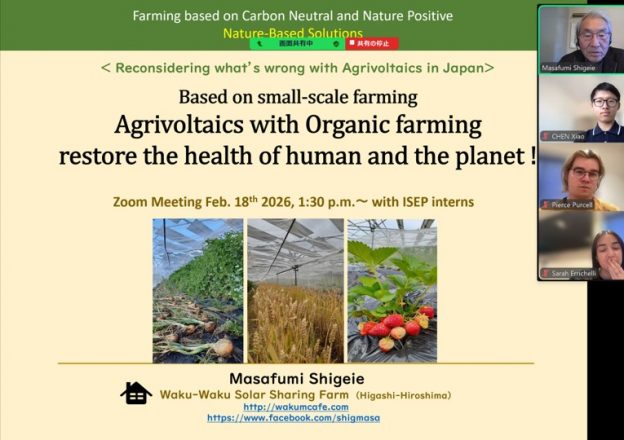
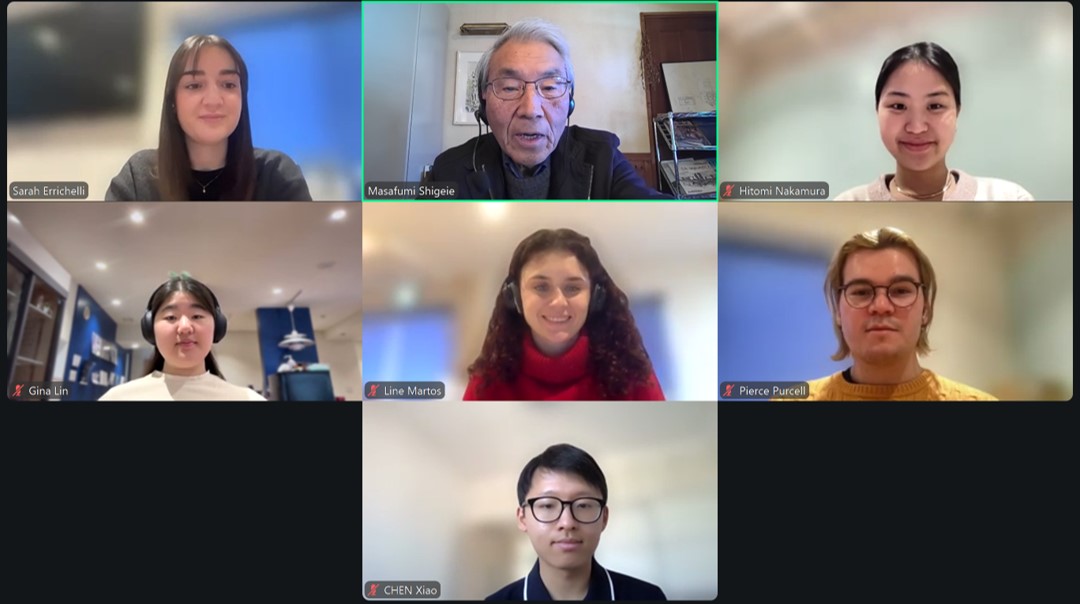
 2026年2月18日、世界の大学院生でISEP(環境エネルギー政策研究所)においてインターンをしている学生の皆さん6人と営農型ソーラーとその周辺問題について、当方の基調プレゼンをベースに2時間半にわたりZoomで議論した。主なプレゼン内容は次の通り。
English version below.
※ ※ ※ ※ ※
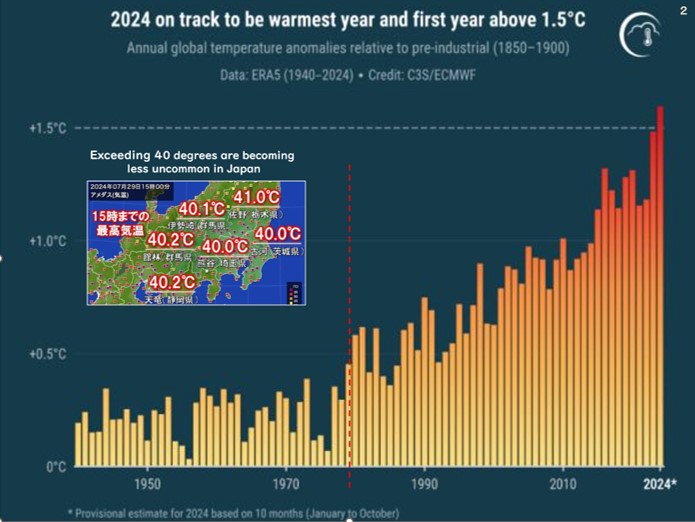
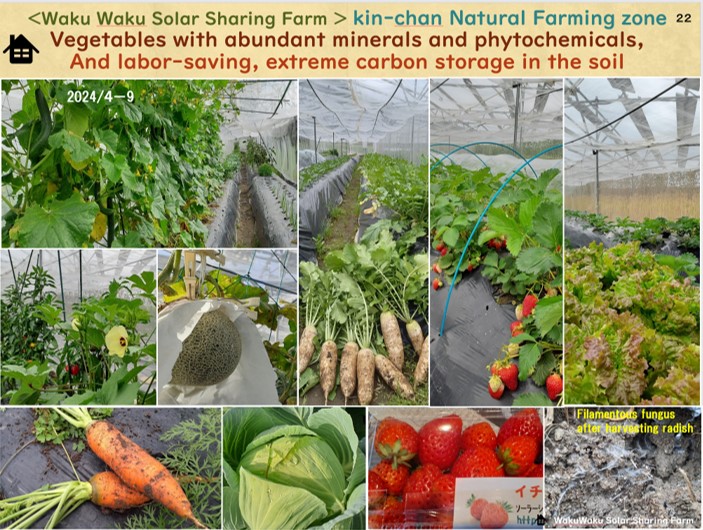
1.この3年ほど夏の異常高温で作物栽培に支障が確実に出始めた。営農型ソーラーは、作物と営農者双方に対して多少なりともその悪影響を緩和している。
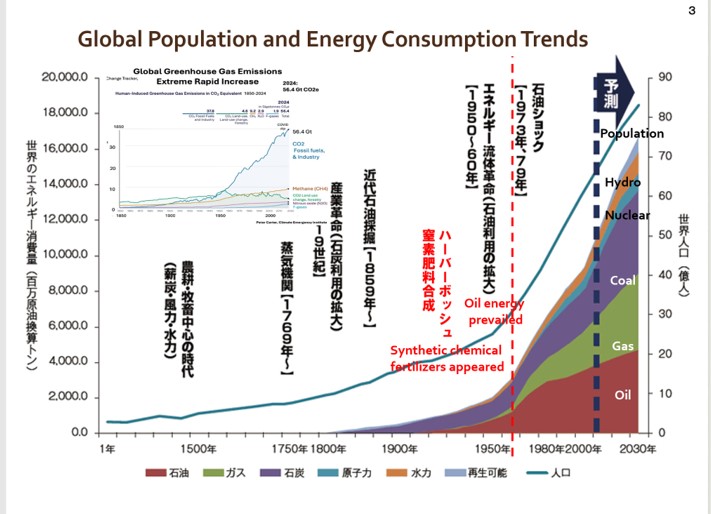
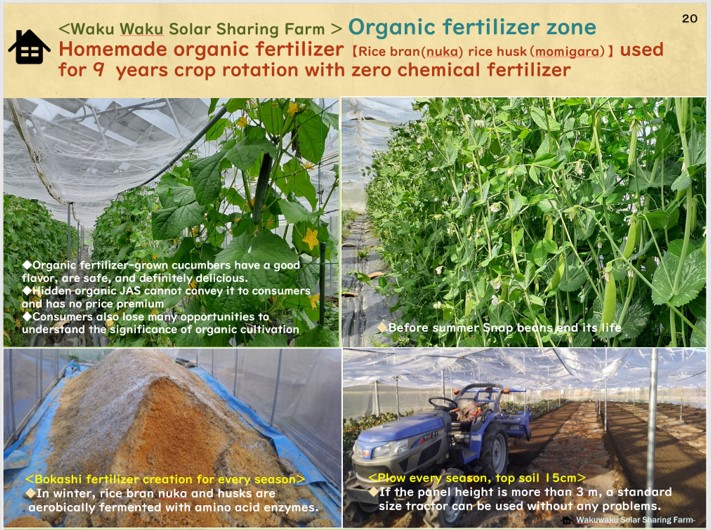
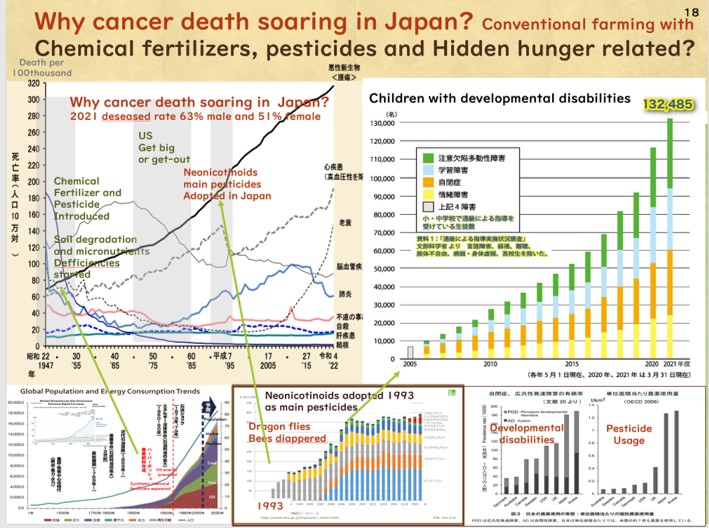
2.最近、がん罹患や体調不良の人に遭遇することが有意に増えている。毎日の食べ物との関係を排除できない。
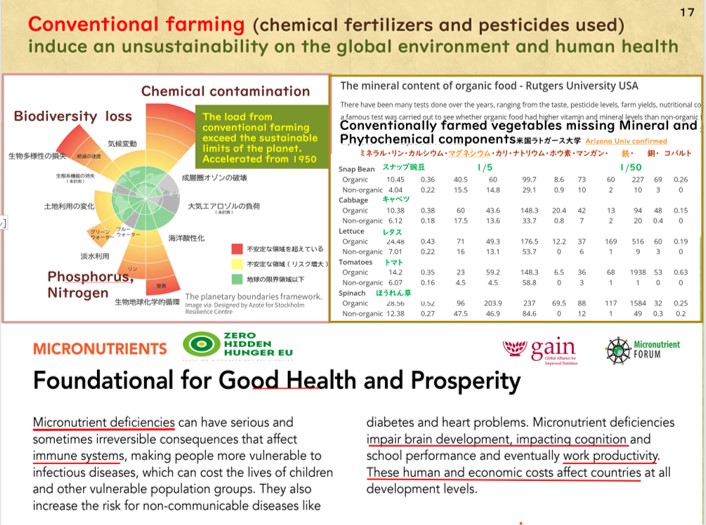
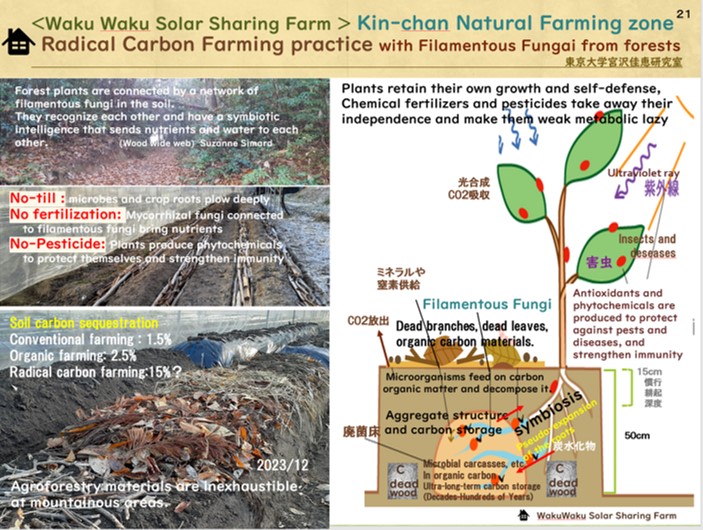
3.化学肥料・農薬の慣行農法による作物から微量栄養素や抗がん物質のファイトケミカルが欠落し、免疫機能低下との関係が排除できない。
4.日本の営農型ソーラーは非農業者参入で営農不備が目立つことを理由に、特に小規模への規制強化が進むが、営農型ソーラーの貴重な多面的効果と膨大な潜在力を活かせない巨大な歴史的機会損失が発生しようとしているのではないか。
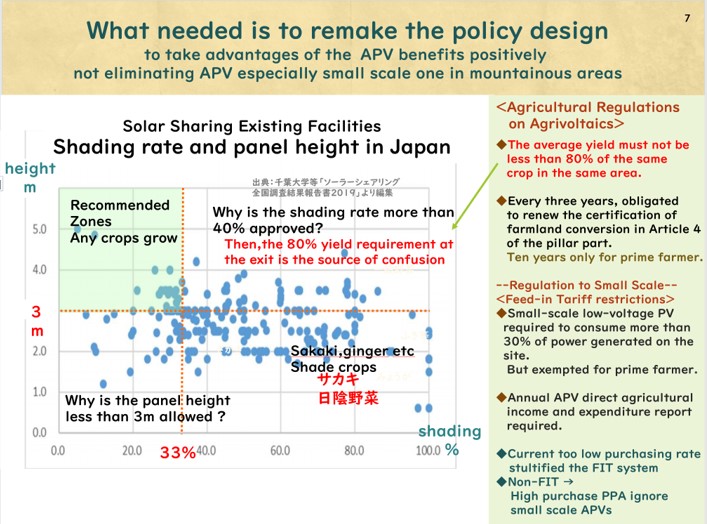
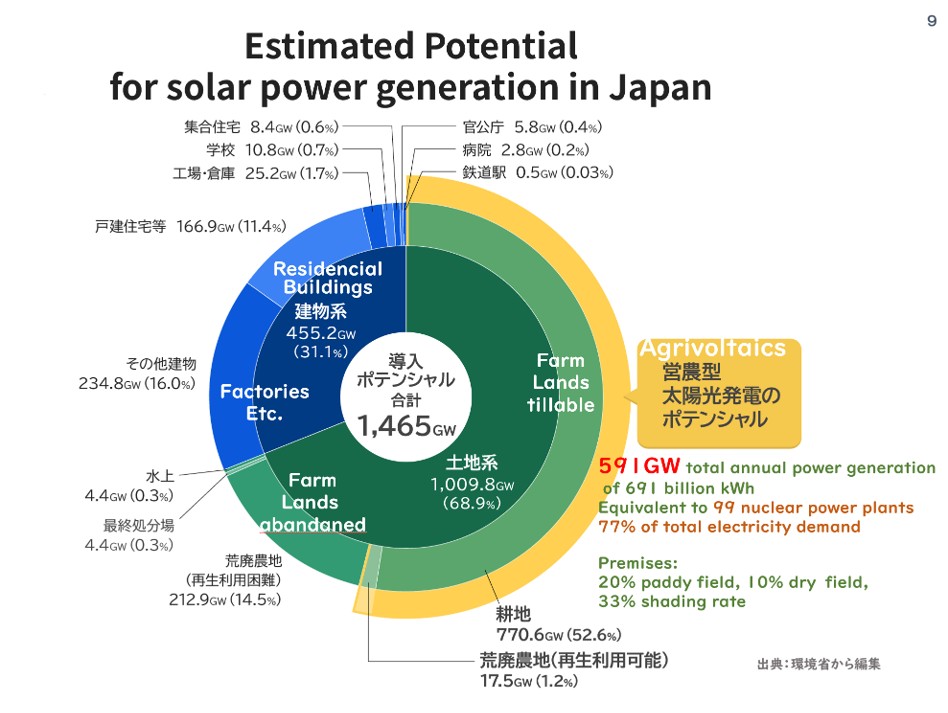
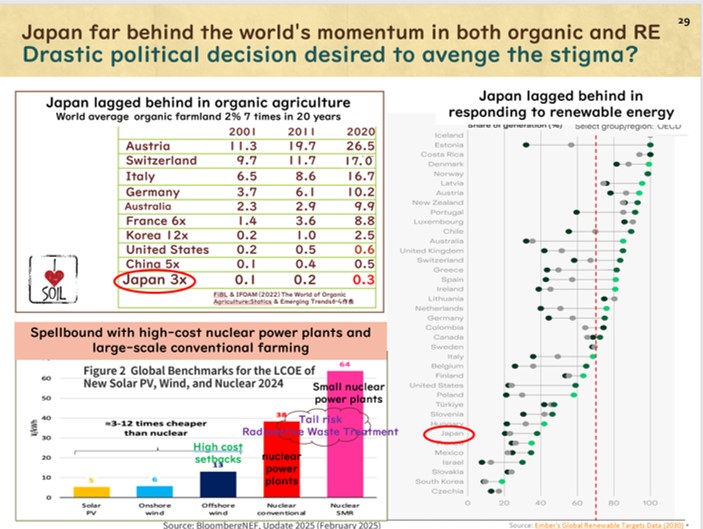
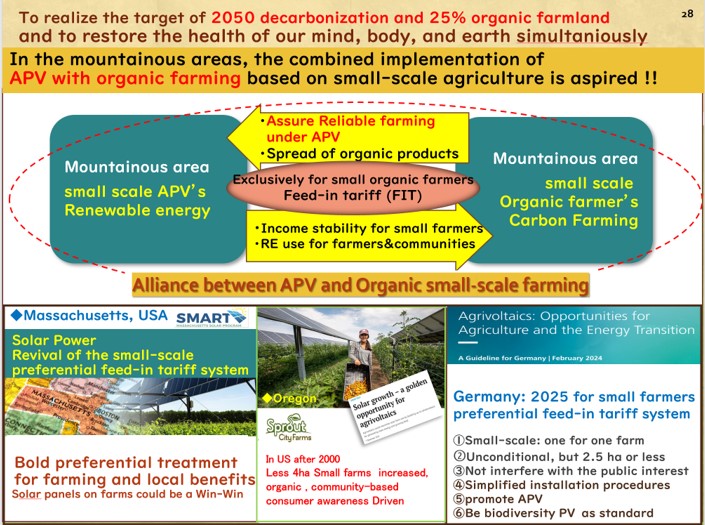
5.農産物生産の4割を担う中山間のコニュニティ維持と国民の健康回復と気候危機対応のためにも、有機農法に親和的な小規模農家と営農型ソーラーを合体する専用の固定価格買取制度(FIT)を復活することで、2050年の有機農地25%と炭素排出ゼロ目標達成を目指すなら、営農型ソーラーでの営農不備の問題を含め様々な課題が一気に同時解決できるのではないか。
[Wakuwaku Solar Sharing Farm (Higashihiroshima City)] News
We had a two-hour discussion via Zoom with graduate students from around the world who are interning at ISEP (Institute for Sustainable Energy Policies) about agricultural solar and related issues, based on my keynote presentation. The main points of the presentation were as follows:
♣
1. Over the past three years, abnormally high summer temperatures have begun to have a definite impact on crop cultivation. Agricultural solar has helped to alleviate the negative impact to some extent on both crops and farmers.
♣
2. Recently, there has been a significant increase in the number of people suffering from cancer or who are in poor health. It is impossible to rule out the connection to the food we eat every day.
♣
3. Crops grown using conventional farming methods that use chemical fertilizers and pesticides lack micronutrients and anti-cancer phytochemicals, and the possibility that this may be related to a weakened immune system cannot be ruled out.
♣
4. In Japan, regulations are being tightened on agricultural solar farms, particularly those for small-scale farms, due to the fact that non-farmers are entering the field and farm management deficiencies are becoming more apparent. However, we are on the verge of a huge, historic opportunity loss, which means that the valuable multifaceted effects and enormous potential of agricultural solar farms will not be utilized.
♣
5. In order to maintain communities in mountainous and hilly areas, which account for 40% of agricultural production, restore the health of the people, and respond to the climate crisis, we should revive a dedicated feed-in tariff (FIT) system that combines small-scale farmers who are compatible with organic farming with agricultural solar. If we aim to achieve the goal of 25% organic farmland and zero carbon emissions by 2050, wouldn’t this solve a variety of issues at once, including the problem of inadequate farming practices with agricultural solar?